The Haircut Maintenance Timeline: When Should You Really Book Your Next Appointment?
Wondering how often you should get a haircut? Learn the ideal haircut maintenance schedule for short, long, layered, curly, and textured hair.
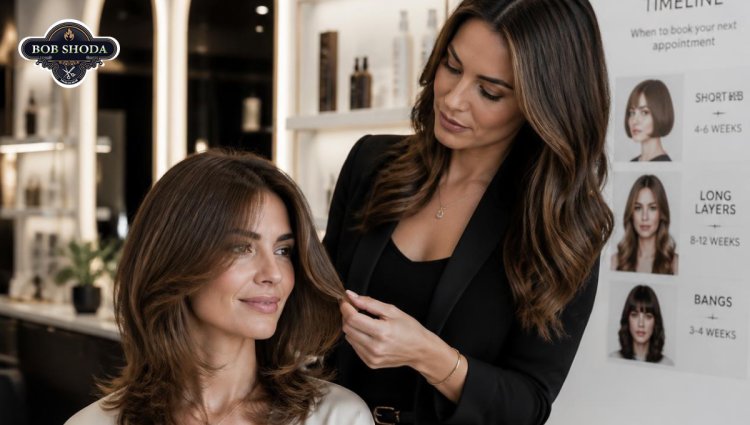
A fresh haircut can completely change the way your hair looks and feels. But keeping that polished shape is not only about what happens on the day of your appointment. Knowing when to get a haircut again can make a big difference in how easily your hair styles, how well your layers sit, and how fresh your overall look remains.
One of the most common questions clients ask is, “How often should I get a haircut?” The answer isn't the same for everyone.
Your ideal haircut maintenance schedule depends on several factors, including your hair length, haircut shape, texture, layers, bangs, growth rate, and how often you use heat or styling tools.
At Bob Shoda, professional hair care starts with understanding that every person's hair has different needs. A maintenance schedule that works perfectly for a short precision cut may not be necessary for someone growing out long hair.
So, how do you know when it is actually time to book your next appointment? Let's break it down.
How Often Should You Get a Haircut?
There is no universal rule for how frequently everyone should visit a salon. However, many people find that scheduling a haircut somewhere between 4 and 12 weeks works well, depending on the style they wear.
Here is a general starting point:
- Short and precision cuts: Every 4–6 weeks
- Bobs and structured styles: Every 5–7 weeks
- Layered haircuts: Every 6–10 weeks
- Long hair: Every 8–12 weeks
- Bangs: Every 2–4 weeks
- Hair being grown out: Approximately every 10–12 weeks
- Curly or textured styles: Often every 8–12 weeks, depending on the shape
These are guidelines rather than strict rules. Your haircut schedule should ultimately be based on how quickly your particular style loses its shape.
In fact, Bob Shoda already recommends regular trims as part of maintaining a polished haircut, while its newer haircut guide notes that shorter styles generally require more frequent maintenance than longer cuts.
Short Hair Usually Needs More Frequent Maintenance
Short hairstyles can look incredibly polished, but they often require a more consistent haircut maintenance routine.
Pixie cuts, short bobs, tapered cuts, and other precision styles can lose their shape relatively quickly as the hair grows. Even a small amount of new growth can change the proportions of a short haircut.
If you have a short haircut, consider booking your next appointment around 4 to 6 weeks after your previous cut.
You may want to schedule sooner if:
- The sides are becoming difficult to control.
- Your neckline no longer looks clean.
- Your haircut feels heavier than it did originally.
- Your style requires daily restyling to look right.
- Your short layers are no longer sitting correctly.
For clients who love a precise, polished appearance, waiting several months between appointments may make it harder to maintain the original shape.
How Often Should You Trim a Bob?
A bob sits somewhere between a short haircut and a longer style, but its structure often makes maintenance important.
Whether you wear a classic bob, textured bob, blunt bob, or another variation, the ends are a major part of the haircut's appearance.
A bob haircut may benefit from an appointment approximately every 5–7 weeks.
This is particularly important for blunt or highly structured bobs because uneven growth can become noticeable around the perimeter.
If you prefer a softer, more relaxed bob, you may be able to extend the time between appointments.
Long Hair Doesn't Mean You Never Need a Haircut
Growing your hair long does not mean you have to stop getting regular trims.
In fact, maintaining the ends can help your hairstyle continue to look intentional. While your hair may not need reshaping as frequently as a short haircut, the ends can become dry, uneven, or difficult to style over time.
For many people with long hair, an appointment every 8–12 weeks can be a reasonable starting point.
If your primary goal is growing your hair longer, tell your stylist. Your appointment can focus on removing only what is necessary while preserving as much length as possible.
The goal is not necessarily to cut off a lot of hair. It is to maintain the overall condition and appearance of the style.
Layered Haircuts Have Their Own Maintenance Timeline
Layers can add movement, volume, and dimension, but their maintenance needs depend on how the haircut was designed.
A heavily layered haircut may need more regular shaping than a simple one-length cut. As the hair grows, the relationship between the different layers can change.
For layered haircuts, an appointment around 6–10 weeks may work well for many people.
However, consider booking sooner if:
- Your layers no longer blend naturally.
- Face-framing pieces have grown out.
- Your hair feels heavier.
- The haircut has lost its movement.
- Your usual styling technique no longer produces the same result.
Since Bob Shoda already has content covering specific layer styles such as ghost layers and face-framing layers, this maintenance-focused approach provides a different perspective: not what the layers are, but when they need professional reshaping.
Bangs May Need Their Own Appointment
Bangs are one of the fastest-growing-out elements of a haircut.
Even a small amount of growth can change where bangs sit across the forehead or around the face. That's why someone with otherwise low-maintenance hair may still need frequent bang trims.
Depending on how precise you want your bangs to look, a trim every 2–4 weeks may be appropriate.
This can be especially useful for:
- Blunt bangs
- Micro bangs
- Curtain bangs
- Side-swept bangs
- Face-framing fringe
If you like a softer, grown-out appearance, you may be able to go longer between appointments.
Hair Texture Can Change Your Haircut Schedule
Your natural hair texture is another important factor when determining how often to get a haircut.
Straight hair may make changes in length and shape more visible, particularly with blunt or precision cuts. Wavy and curly hair can have a different visual shape depending on how the curls form and how much the hair has grown.
For curly or textured hair, your stylist may consider:
- Natural curl pattern
- Shrinkage
- Density
- Layer placement
- Desired shape
- Styling routine
Rather than following a fixed calendar, pay attention to how your haircut behaves between appointments.
If your natural texture is no longer forming the shape you want, that can be a strong sign that it is time for a professional haircut.
Your Styling Routine Matters Too
Your haircut doesn't exist separately from your daily routine.
If you regularly use a blow dryer, flat iron, curling iron, or other heated styling tools, your hair may require more attention between appointments.
Frequent styling can affect the condition and appearance of the ends. Your stylist may recommend adjusting your haircut maintenance schedule depending on your styling habits and the condition of your hair.
For example, someone who air-dries their hair most days may have different maintenance needs from someone who heat-styles their hair every morning.
This is one reason a personalized consultation is often more useful than simply following a standard “every six weeks” rule.
What Happens When You Wait Too Long Between Haircuts?
Waiting longer between appointments isn't automatically bad. However, you may notice several changes as your haircut grows out.
1. Your Haircut Loses Its Original Shape
The shape created by your stylist gradually changes as your hair grows. This can be especially noticeable with short or structured styles.
2. Layers May Become Less Defined
Layered hair can lose some of its intended movement and balance as different sections grow.
3. Ends Can Look Less Polished
The ends may appear dry, uneven, or less defined, particularly if your hair is exposed to frequent heat styling or other stressors.
4. Styling May Take Longer
One of the clearest signs that your haircut needs attention is when your usual styling routine stops working as easily.
If you're spending more time trying to make your hair look the way it did after your last salon visit, it may be time to schedule an appointment.
Signs You Should Book Your Next Haircut
Not sure whether you need a haircut right now? Look for these signs:
- Your haircut has lost its shape.
- Your ends look uneven or feel rough.
- Your layers aren't blending as they once did.
- Your bangs are interfering with your preferred style.
- Your hair is becoming harder to manage.
- Your normal styling routine isn't giving you the same result.
- Your short haircut looks noticeably grown out.
- You're preparing for an important event.
- You simply want to refresh your overall look.
Sometimes the best answer to “when should I get a haircut?” is simply: when your current haircut stops working for you.
Does Hair Growth Speed Affect Your Haircut Schedule?
Yes. Hair does not necessarily grow at exactly the same rate for everyone.
Some people notice visible changes in their haircut relatively quickly, while others can go longer without needing a shape adjustment.
Your schedule can also change throughout the year depending on your hairstyle and personal goals.
For example, if you're maintaining a short precision haircut, growth becomes noticeable quickly. If you're growing out long hair, you may prefer fewer appointments focused on maintaining healthy-looking ends and an intentional shape.
What About Haircuts Before Special Events?
If you have a wedding, vacation, professional event, photoshoot, or celebration coming up, don't necessarily wait until the day before.
A good approach is to discuss your desired look with your stylist ahead of time. Depending on the haircut, you may want your appointment several days before the event so the style has time to settle naturally.
If you're making a significant haircut change, giving yourself additional time can also be helpful.
At Bob Shoda, personalized hair services are designed around the client's desired look, hair characteristics, and styling needs. The salon offers women's, men's, and children's haircuts along with color and specialized hair services.
A Simple Haircut Maintenance Timeline
Here's a quick reference to help you plan your next haircut appointment:
| Haircut or Style | Suggested Maintenance |
|---|---|
| Pixie/very short haircut | 4–6 weeks |
| Short precision haircut | 4–6 weeks |
| Bob | 5–7 weeks |
| Layered haircut | 6–10 weeks |
| Medium-length hair | 6–10 weeks |
| Long hair | 8–12 weeks |
| Growing out hair | 10–12 weeks |
| Bangs | 2–4 weeks |
| Curly/textured styles | 8–12 weeks, depending on shape |
Remember, these timeframes are general guidelines. Your ideal haircut schedule may be different based on your hair texture, growth rate, haircut design, and styling habits.
Choosing a Haircut Schedule That Works for You
The best maintenance routine is one that fits both your hairstyle and your lifestyle.
If you love a sharp, polished look, more frequent appointments may be worthwhile. If you prefer a relaxed style and don't mind some growth, you may be comfortable going longer between visits.
The most important thing is to communicate with your stylist.
At Bob Shoda, a professional consultation can help you understand how your chosen haircut is expected to grow out and when it may benefit from its next shape refresh. Located in Beverly Hills, Bob Shoda Hair provides professional haircut and styling services with a focus on personalized results.
Final Thoughts
There isn't one perfect answer to how often you should get a haircut.
A short precision cut may need attention every few weeks, while long hair may look great with a maintenance appointment every couple of months. Bangs can require their own schedule, while layers and textured styles depend heavily on how the shape grows out.
Instead of waiting until your haircut becomes difficult to manage, pay attention to the signs: changes in shape, uneven ends, difficult styling, grown-out layers, or bangs that no longer sit correctly.
A consistent haircut maintenance routine can make your style easier to manage and help you get more out of every salon visit.
If you're ready to refresh your look or simply want professional advice about your next appointment, Bob Shoda can help you determine a maintenance schedule that suits your haircut, hair type, and lifestyle.
Frequently Asked Questions
1. How often should you get a haircut?
For many people, a haircut every 6–8 weeks is a useful starting point, but the ideal schedule depends on the style. Short and precision cuts may need appointments every 4–6 weeks, while long hairstyles may only require maintenance every 8–12 weeks.
2. How often should you trim long hair?
People with long hair often schedule a trim every 8–12 weeks. If you're trying to grow your hair longer, tell your stylist so they can focus on maintaining the ends while preserving your desired length.
3. How often should you trim bangs?
Bangs typically need more frequent maintenance than the rest of the haircut. Depending on the style and how precise you want them to look, you may need a bang trim every 2–4 weeks.
4. Does curly hair need to be cut less often?
Not necessarily. Curly and textured hair can often go several weeks between appointments, but the ideal schedule depends on curl pattern, density, shape, shrinkage, and your preferred style. A professional stylist can recommend a schedule based on how your curls grow and behave.
5. What are the signs that I need a haircut?
Common signs include loss of shape, uneven or rough-looking ends, grown-out layers, difficult styling, and bangs that no longer sit correctly. If your usual styling routine suddenly requires more time or effort, it may also be a good time to book your next haircut.
https://www.bobshoda.com
310-619-7855
What's Your Reaction?