How Often Should You Get a Haircut? | Bob Shoda Hair
Wondering how often to get a haircut? Discover the ideal trim schedule for short, long, curly, and layered hair, plus expert maintenance tips from Bob Shoda Hair.
Have you ever wondered whether it's time for another haircut or if you can wait a few more weeks? You're not alone! Getting the timing right can help you maintain your favorite hairstyle, manage split ends, and keep your hair looking polished.
The truth is that there's no single haircut schedule that works for everyone. Your ideal timing depends on your hairstyle, hair texture, growth rate, styling habits, and personal goals. Someone with a short pixie cut may need regular appointments to maintain its shape, while someone growing out long hair may prefer fewer trims.
At Bob Shoda Hair, we believe that great hair starts with understanding what works for you. In this guide, we'll explain how often to get a haircut, what signs to look for, and how to maintain your style between salon visits.
How Often Should You Get a Haircut?
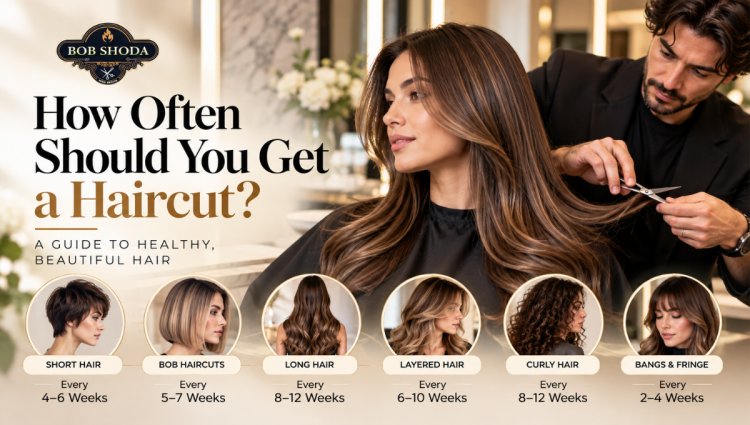
For many people, a haircut every 4–12 weeks is a useful general guideline. However, the right schedule depends on how quickly your hairstyle loses its shape and how much maintenance you're comfortable with.
Here's a quick overview:
-
Short and precision haircuts: Every 4–6 weeks
-
Bob haircuts: Every 5–7 weeks
-
Layered haircuts: Every 6–10 weeks
-
Medium-length hair: Every 6–10 weeks
-
Long hair: Every 8–12 weeks
-
Bangs and fringe: Every 2–4 weeks
-
Hair you're growing out: Around 10–12 weeks, depending on its condition
These timeframes are starting points, not strict rules. Your stylist can recommend a schedule based on your hair's needs and the look you want to maintain.
How Often Should You Cut Different Hair Types?
1. Short Hair and Precision Cuts
Short hairstyles, including pixie cuts, cropped styles, and tapered cuts, often need more frequent maintenance. As hair grows, even a small change in length can affect the overall shape.
Consider booking a haircut every 4–6 weeks if you want to maintain a sharp, structured appearance.
You may need an appointment sooner if your neckline looks untidy, your sides feel bulky, or your haircut no longer sits the way it did after your last visit.
If you prefer a relaxed, grown-out look, you may be able to wait longer between appointments.
2. Bob Haircuts and Structured Styles
Bobs are timeless, versatile, and stylish, but their clean shape often benefits from regular trims.
A classic bob, blunt bob, or precision-cut style may need attention every 5–7 weeks to keep the ends looking balanced. Softer, textured bobs can sometimes go longer between appointments.
The key is to pay attention to the outline of your haircut. If the ends begin to look uneven or the shape feels heavier than before, it may be time for a refresh.
3. Long Hair
Long hair doesn't necessarily need frequent cutting, especially if you're happy with its natural shape. However, regular trims can help maintain the appearance of your ends and remove damaged sections when needed.
For many people, a trim every 8–12 weeks is a reasonable starting point.
If your goal is to grow your hair longer, let your stylist know. They can focus on removing minimal length while maintaining your preferred shape.
Remember, trimming doesn't make hair grow faster from the roots. Hair growth happens at the scalp, but removing damaged ends can help reduce the appearance of fraying and breakage.
4. Layered Haircuts
Layers add movement, volume, and dimension, but they can gradually lose their intended shape as your hair grows.
Depending on how your layers are cut, an appointment every 6–10 weeks may help maintain their balance.
Look out for layers that no longer blend smoothly, face-framing pieces that have grown out, or hair that feels heavier and harder to style.
For more inspiration, explore how professional stylists create haircuts that grow out beautifully.
5. Curly and Textured Hair
Curly and textured hair has unique maintenance needs because its natural pattern, shrinkage, density, and layering affect how a haircut looks.
Some people prefer trims every 8–12 weeks, while others may need a different schedule depending on their desired shape.
A stylist familiar with your natural texture can help determine when your curls need reshaping and how to preserve their movement.
Rather than following a fixed calendar, notice whether your curls still form the shape you want and whether your hair remains easy to manage.
6. Bangs and Fringe
Bangs often need more frequent attention than the rest of your haircut because even a little growth can change where they fall.
Depending on the style, a trim every 2–4 weeks may help maintain the desired length.
Blunt bangs generally need more precise maintenance, while curtain bangs and softer fringe can be allowed to grow out more naturally.
If your bangs keep falling into your eyes or no longer frame your face the way you like, consider booking a trim.
5 Signs It's Time for Your Next Haircut
Not sure whether you need a trim? Your hair can give you a few useful clues.
1. Your Hairstyle Has Lost Its Shape
If your haircut looks noticeably different from when you left the salon, new growth may have changed its proportions.
2. Your Ends Look Rough or Uneven
Split ends and breakage can make hair appear less polished. A trim can remove damaged sections, although ongoing damage may require changes to your hair-care routine.
3. Your Layers No Longer Blend
When layers grow out, the haircut may lose its movement or become more difficult to style.
4. Styling Takes Longer
If your usual blow-dry or styling routine no longer gives you the same result, your haircut may benefit from reshaping.
5. Your Hair Feels Difficult to Manage
Excess bulk, grown-out bangs, or uneven lengths can make everyday styling frustrating. A professional trim may help restore a more manageable shape.
Does Your Hair-Care Routine Affect How Often You Need a Haircut?
Yes! Your daily habits can influence the condition of your hair and how often you may want to schedule a trim.
Frequent heat styling, rough brushing, tight hairstyles, and chemical processing can contribute to dryness or breakage. If you regularly use hot tools, applying heat protection and avoiding excessive temperatures can help reduce unnecessary stress on your strands.
Your stylist may also recommend suitable shampoos, conditioners, and styling products based on your hair type.
For additional advice, read How to Protect Your Hair From Heat Damage.
How to Maintain Your Hair Between Haircuts
A little care between salon appointments can help your hairstyle look its best.
-
Use suitable hair products: Choose products that match your scalp, texture, and hair condition.
-
Be gentle when brushing: Avoid pulling or aggressively detangling wet hair.
-
Limit excessive heat: Use a heat protectant and moderate temperatures when styling.
-
Condition regularly: Focus on the lengths and ends to help maintain softness and manageability.
-
Protect your ends: Avoid hairstyles and accessories that create excessive tension or friction.
-
Follow a personalized schedule: Ask your stylist when to return based on your haircut and goals.
You can also explore the ultimate guide to salon haircuts for more haircut inspiration and maintenance advice.
Why Choose Bob Shoda Hair for Your Next Haircut?
Choosing a haircut is about more than deciding on a length. It's about finding a style that suits your features, hair texture, lifestyle, and maintenance preferences.
At Bob Shoda Hair in Beverly Hills, California, Bob Shoda brings more than 25 years of experience in the hair industry. The salon offers professional haircutting and styling services tailored to different needs and preferences.
Whether you want a fresh trim, a complete style change, or advice on maintaining your current haircut, a professional consultation can help you understand your options.
Explore our haircut and styling services or learn more about Bob Shoda Hair.
Frequently Asked Questions
1. Is getting a haircut every six weeks necessary?
Not necessarily. Six weeks is a useful starting point for some hairstyles, particularly short or structured cuts. Longer styles may need less frequent trims, depending on their condition and your preferred look.
2. How often should I trim my hair if I'm growing it out?
Many people growing their hair out schedule a trim approximately every 10–12 weeks, although your needs may vary. Tell your stylist that preserving length is your priority.
3. Does cutting your hair make it grow faster?
No. Hair grows from follicles in the scalp, so trimming the ends doesn't increase the rate of growth. However, removing damaged ends may help your hair look healthier and reduce the appearance of splitting.
4. How often should I cut curly hair?
Curly hair may benefit from a trim every 8–12 weeks, depending on the curl pattern, desired shape, and hair condition. Your stylist can recommend a schedule suited to your texture.
5. What happens if I wait too long between haircuts?
Your haircut may lose its shape, layers may become less defined, and damaged ends may become more noticeable. Waiting longer isn't automatically harmful, but a trim can help restore your preferred style when it becomes difficult to manage.
Final Thoughts
So, how often should you get a haircut? The answer depends on your style, hair type, and personal goals.
Short haircuts and bangs usually need more frequent attention, while long hair can often go longer between appointments. Curly, layered, and textured styles benefit from a schedule based on how their shape develops as they grow.
Instead of following a strict calendar, pay attention to how your hair looks, feels, and behaves. When your style loses its shape or becomes harder to manage, it may be time for a professional refresh.
Ready for your next haircut? Visit Bob Shoda Hair in Beverly Hills for personalized styling and professional advice on maintaining your look.
Contact Bob Shoda Hair
Business Name: Bob Shoda Hair
Address: 9666 Brighton Way, Gavert Atelier, Beverly Hills, CA 90210, United States
Phone: 310-619-7855
Email: info@bobshoda.com
Website: https://bobshoda.com/
Opening Hours:
-
Monday: Closed
-
Tuesday: 9 AM–7 PM
-
Wednesday: Closed
-
Thursday–Sunday: 9 AM–7 PM
Great hair doesn't happen by chance. It happens by appointment!
What's Your Reaction?