How to Protect Your Hair From Heat Damage Without Giving Up Your Favorite Styles
Learn how to protect your hair from heat damage while using flat irons, curling irons, and blow dryers. Discover heat protection tips from Bob Shoda.
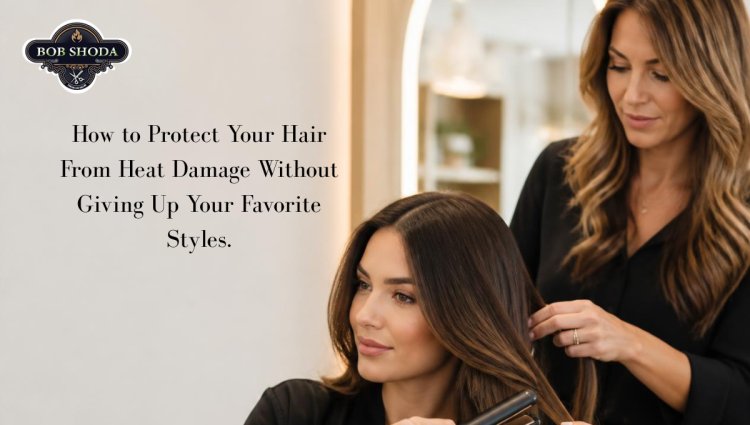
Heat styling can make a big difference in your everyday look. A smooth blowout, sleek flat-iron finish, or soft curls can help you feel polished and confident. But frequent use of flat irons, curling irons, and blow dryers can also leave hair dry, brittle, frizzy, and prone to breakage when it is not properly protected.
The good news is that you do not have to give up your favorite hairstyles to maintain healthier-looking hair. With the right techniques, products, temperature settings, and styling habits, you can enjoy heat styling while reducing unnecessary damage.
At Bob Shoda, understanding how different hair types respond to heat is an important part of maintaining beautiful, manageable hair. Whether you regularly create sleek styles or prefer occasional waves and curls, a thoughtful heat protection hair care routine can help keep your hair looking smooth and healthy.
What Causes Heat Damage to Hair?
Hair is made primarily of a protein called keratin. Excessive heat can affect the hair's outer protective layer, making it harder for the strands to retain moisture and maintain their natural strength.
Repeated exposure to high temperatures can contribute to:
- Dry or rough-feeling hair
- Split ends
- Increased frizz
- Loss of natural shine
- Hair breakage
- Brittle strands
- Changes in curl or wave patterns
- Difficulty maintaining moisture
The risk becomes greater when you combine high heat, frequent styling, and multiple passes over the same section of hair.
Heat damage is not always caused by one styling session. It often develops gradually when hair is repeatedly exposed to more heat than it can comfortably handle.
Can You Still Use Heat Tools Without Damaging Your Hair?
Yes. The goal is not necessarily to eliminate heat styling completely. Instead, focus on reducing unnecessary heat exposure and using your tools correctly.
A few simple changes can make your routine much gentler:
- Start with clean, properly conditioned hair.
- Apply a suitable heat protectant for hair before using hot tools.
- Allow hair to dry appropriately before using a flat iron or curling iron.
- Choose the lowest effective temperature.
- Avoid repeatedly passing over the same section.
- Give your hair breaks between heat-styling sessions.
- Schedule regular trims to manage split or damaged ends.
These habits can help you continue enjoying your preferred styles without treating heat as an everyday requirement.
Always Use a Heat Protectant
One of the easiest ways to improve your routine is to make a heat protectant part of your styling process.
Heat protectants are designed to help reduce the impact of heat on the hair during styling. Depending on the formula, they may also help improve smoothness, reduce frizz, and make hair easier to style.
When choosing a product, consider your hair's texture and condition. Fine hair may benefit from a lightweight formula, while thicker or drier hair may need a richer product.
Remember that a heat protectant does not make hair completely immune to heat damage. It should be considered one part of a broader hair heat protection routine.
Choose the Right Temperature for Your Hair
More heat does not automatically mean better results.
Using an unnecessarily high temperature can increase stress on the hair, especially when the hair is fine, chemically treated, color-treated, or already dry.
A useful approach is to start at a lower setting and increase it only when necessary. Your styling tool should be hot enough to achieve the desired result without requiring repeated passes.
Consider Your Hair Type
Fine or fragile hair:
Fine strands generally require less heat than thick or coarse hair. Start with a lower temperature and work gradually.
Medium-textured hair:
Medium hair can usually tolerate moderate heat, but frequent styling still requires proper protection.
Thick or coarse hair:
Thicker hair may require more heat to achieve certain styles, but that does not mean using the highest setting available. Work in manageable sections and avoid repeatedly going over the same area.
Color-treated or chemically treated hair:
Hair that has been colored, lightened, relaxed, or chemically processed may be more vulnerable to dryness and breakage. Lower heat and careful preparation can be particularly important.
If you are unsure which temperature or technique is appropriate for your hair, a professional stylist can help you develop a more personalized approach.
Flat Iron Tips for Healthier-Looking Hair
A flat iron can create a sleek, polished finish, but improper use can put unnecessary stress on the hair.
Keep these tips in mind:
Make Sure Hair Is Completely Dry
Unless you are specifically using a tool designed for damp hair, avoid applying a traditional flat iron to wet or damp strands. Water trapped inside the hair can turn into steam when exposed to very high temperatures.
Use Small, Manageable Sections
Working with smaller sections can help you achieve your desired result with fewer passes.
Keep the Iron Moving
Do not hold the flat iron in one place for too long. Smooth the tool through the section at a controlled pace.
Avoid Multiple Passes
If you find yourself running the iron over the same section repeatedly, consider adjusting your technique, section size, or temperature.
How to Use a Curling Iron More Safely
Beautiful curls and waves do not require excessive heat.
Before using a curling iron, apply your heat protectant and make sure your hair is properly prepared.
Then:
- Choose a reasonable temperature for your hair type.
- Work with smaller sections.
- Avoid holding the hair around the barrel longer than necessary.
- Do not repeatedly curl the same section.
- Allow curls to cool before brushing or reshaping them.
If you want a softer look, you may be able to achieve it with a lower temperature and a shorter styling time rather than simply turning up the heat.
Blow-Drying Without Excessive Heat
A blow dryer may seem less intense than a flat iron or curling iron, but frequent blow-drying can still contribute to dryness when used incorrectly.
Start by gently removing excess water with a towel rather than aggressively rubbing your hair. Allow your hair to air-dry partially when practical, then use the dryer to finish the style.
Keep the dryer moving rather than concentrating hot air on one area for an extended period. A nozzle attachment can also help direct airflow and make styling more controlled.
For smoother results, follow the natural direction of the hair cuticle as you work rather than repeatedly blasting the hair from different angles.
How Often Should You Heat Style Your Hair?
There is no single number of heat-styling sessions that works for everyone. Your ideal frequency depends on your hair's condition, texture, length, chemical treatments, and the temperature and technique you use.
If your hair is becoming increasingly dry or brittle, consider reducing how often you use hot tools.
You can also alternate between heat-styled and heat-free hairstyles. For example, try:
- Air-dried styles
- Braids
- Heatless waves
- Low-maintenance ponytails
- Buns
- Natural texture
Giving your hair occasional breaks can help reduce cumulative stress.
Signs Your Hair May Have Heat Damage
Recognizing the early signs of heat damaged hair can help you change your styling routine before the problem becomes more noticeable.
Watch for:
1. Increased Dryness
Your hair may feel rough or unusually dry even after conditioning.
2. More Split Ends
Frequent heat exposure can contribute to weakened ends and visible splitting.
3. Persistent Frizz
If your hair suddenly seems harder to smooth and has more flyaways than usual, the outer layer may be compromised.
4. Breakage
Short, broken pieces around your hairline or throughout your lengths can indicate that your strands are becoming fragile.
5. Loss of Natural Texture
People with naturally curly or wavy hair may notice that certain sections no longer form their usual pattern.
6. Reduced Shine
Healthy-looking hair generally reflects light smoothly. Damage can make the surface look dull or uneven.
If you notice several of these changes, reducing heat exposure and speaking with a professional stylist can be a smart next step.
What Should You Do If Your Hair Is Already Heat Damaged?
Unfortunately, severely damaged hair cannot simply be restored to its original condition with a single product. Hair is not living tissue once it has grown beyond the scalp.
However, you can improve its appearance and prevent additional damage by changing your routine.
Consider:
- Reducing heat-styling frequency
- Using a quality conditioner
- Adding appropriate moisturizing treatments
- Using heat protection consistently
- Avoiding excessive chemical processing
- Scheduling regular trims
- Choosing gentler styling techniques
A professional stylist can also evaluate the condition of your hair and recommend a realistic maintenance plan.
Build a Smarter Heat-Styling Routine
Protecting your hair does not mean giving up the styles you love. It means being more intentional about how often you use heat, how much heat you use, and how you prepare your hair beforehand.
A simple routine might look like this:
Before styling:
Cleanse and condition your hair appropriately, then apply a heat protectant.
During styling:
Use a suitable temperature, work in sections, and avoid unnecessary repeated passes.
After styling:
Avoid excessive brushing or manipulation and use products that support the finish you want without weighing your hair down.
Between styling sessions:
Give your hair breaks from heat and pay attention to changes in texture, moisture, and breakage.
Professional Hair Care at Bob Shoda
Maintaining healthy-looking hair is not only about the products sitting on your bathroom shelf. Your haircut, styling techniques, chemical treatments, and everyday habits all contribute to the overall appearance and condition of your hair.
At Bob Shoda, professional hair care can help you understand what your hair needs and how to maintain your preferred style while being mindful of its condition.
Whether you love a smooth blowout, polished straight hair, or soft curls, the goal is to create a routine that works with your hair rather than constantly stressing it.
If you regularly use hot tools, small changes in your technique can make a meaningful difference over time. Heat protection, moderate temperatures, proper preparation, and occasional breaks can help you continue enjoying your favorite hairstyles while supporting healthier-looking hair.
Frequently Asked Questions
1. Does heat protectant prevent all heat damage?
No. A heat protectant can help reduce the impact of heat styling, but it does not make hair completely protected from damage. Using an appropriate temperature, limiting exposure, and avoiding repeated passes are also important.
2. What temperature is best for flat ironing hair?
The ideal temperature depends on your hair's thickness, condition, and texture. Start with the lowest temperature that can achieve your desired result and increase it only when necessary. Fine, fragile, or chemically treated hair generally benefits from lower heat.
3. Is blow-drying every day bad for your hair?
Daily blow-drying can contribute to dryness and damage, particularly when high heat is used close to the hair for long periods. Using moderate heat, keeping the dryer moving, and allowing hair to partially air-dry can help reduce unnecessary exposure.
4. How can I tell if my hair has heat damage?
Common signs include dryness, split ends, breakage, frizz, dullness, and changes in your natural curl or wave pattern. If these problems continue despite improving your routine, consider having a professional stylist assess your hair.
5. Can heat-damaged hair be repaired?
Hair that is severely damaged cannot be completely restored because the hair shaft is no longer living tissue. However, conditioning treatments, trims, gentler styling, and reducing future heat exposure can improve the hair's appearance and help prevent additional damage.
Final Thoughts
Heat styling can be part of a healthy-looking hair routine when it is approached thoughtfully. You do not have to choose between beautiful styles and better hair care.
Use a heat protectant, choose an appropriate temperature, minimize repeated passes, avoid excessive styling, and pay attention to signs of damage. Most importantly, remember that your hair's needs can change over time.
With the right habits and professional guidance from Bob Shoda, you can enjoy sleek, smooth, curly, or voluminous styles while making hair protection a regular part of your routine.
www,bobshoda.com
(310) 858-7898
What's Your Reaction?