Your Hair Routine Might Be Causing Damage
Your everyday hair routine could be causing more damage than you realize. Discover common hair damaging habits and simple swaps to reduce breakage, dryness, frizz, and unnecessary stress on your hair.
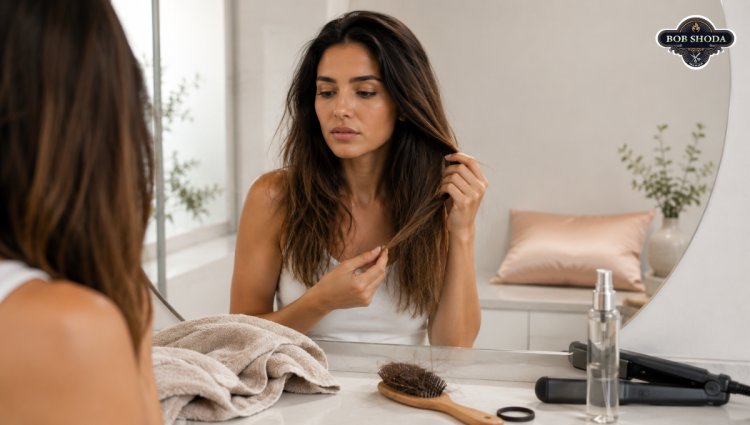
We all want healthy, shiny, manageable hair. So it’s easy to assume that the more carefully we look after it, the better it will look. But sometimes, it’s not the lack of care that causes problems—it’s the little things we do every day without thinking twice.
The way you dry your hair, brush it, tie it up, sleep at night, or use heat can slowly contribute to dryness, frizz, split ends, and breakage. These habits may seem harmless on their own, but repeated day after day, they can take a toll on your hair.
The good news? You don’t need to completely change your routine. A few simple swaps can make your everyday hair care routine much gentler.
Here are some common habits that may be quietly damaging your hair—and what you can do instead.
1. Rubbing Your Hair With a Towel
Stepping out of the shower and grabbing a towel is second nature. The problem starts when you vigorously rub your hair to get it dry.
Wet hair is more delicate and prone to breakage. Rough towel-drying can create friction, leading to frizz, tangles, and unnecessary stress on the hair shaft.
Try this instead
Gently squeeze excess water from your hair and wrap it in a soft microfiber towel or a smooth cotton T-shirt. Let the fabric absorb the moisture rather than rubbing your strands.
It’s a tiny change, but one that can make your hair care routine much kinder to your hair.
2. Brushing Too Much—or Too Roughly
Brushing your hair is important, especially if you want to keep tangles under control. But more brushing doesn’t necessarily mean healthier hair.
Pulling aggressively through knots can cause breakage, particularly when your hair is wet. Starting at the roots and dragging a brush through the entire length can also make tangles worse.
Try this instead
Work through tangles from the ends upward. Use a wide-tooth comb or a detangling brush, and take your time with stubborn knots.
If your hair is wet, be especially gentle. A few extra minutes spent detangling carefully can save your hair from unnecessary breakage.
3. Wearing Tight Ponytails Every Day
A sleek ponytail can be practical, stylish, and perfect for a busy day. But wearing your hair pulled tightly in the same position every day can put repeated tension on your strands and scalp.
Over time, this can contribute to breakage around the hairline and leave shorter, damaged pieces that are difficult to manage.
Try this instead
Switch up your hairstyles and avoid pulling your hair too tightly. Choose soft, fabric-covered hair ties instead of tight elastics, and give your hair a break when you’re at home.
If you love ponytails, there’s no need to give them up completely. The goal is simply to reduce constant tension.
4. Skipping Heat Protectant
Hair dryers, straighteners, and curling irons can help you create the style you want, but frequent heat styling without protection can leave hair feeling dry and brittle.
One of the easiest hair damage prevention steps is also one of the most commonly skipped: using a heat protectant.
Try this instead
Apply a suitable heat-protectant product before using hot tools. Also, avoid repeatedly passing a straightener or curling iron over the same section of hair.
Whenever possible, use a lower heat setting that still gives you the result you want. You don’t always need maximum heat to get a great style.
5. Sleeping on Cotton Without Protecting Your Hair
Your nighttime routine might not seem connected to hair health, but your pillowcase can play a role.
Traditional cotton pillowcases can create friction as you move during sleep. If your hair is already dry, textured, or prone to tangling, that friction may leave it looking more frizzy or tangled in the morning.
Try this instead
Consider switching to a silk or satin pillowcase, or loosely tie your hair before bed with a soft scrunchie. Avoid sleeping with your hair pulled tightly.
A few minutes of nighttime care can make your morning routine much easier.
6. Washing Your Hair With Very Hot Water
A hot shower can feel amazing after a long day. Your hair, however, may not enjoy extremely hot water quite as much.
Very hot water can leave the hair and scalp feeling dry, especially if you already struggle with dryness.
Try this instead
Use comfortably warm water when washing your hair. You can finish with cooler water if you like the feel, but there’s no need to turn your shower into an ice bath.
The bigger goal is to avoid consistently exposing your hair and scalp to excessively hot water.
7. Using Too Much Shampoo
More shampoo doesn’t automatically mean cleaner hair.
Applying a large amount of shampoo or repeatedly washing the lengths of your hair can contribute to dryness. For many people, the scalp is where cleansing is most important, while the lengths need a gentler approach.
Try this instead
Use an appropriate amount of shampoo and focus your massage mainly on the scalp. Let the lather rinse through the lengths rather than aggressively scrubbing them.
Follow with conditioner on the mid-lengths and ends, where hair often needs more moisture.
If you’re unsure which products suit your hair type, a professional consultation at Bob Shoda can help you understand what your hair actually needs.
8. Ignoring Your Hair Between Salon Visits
A salon appointment can give your hair a beautiful refresh, but what happens between appointments matters just as much.
Whether you’ve had a haircut, color, straightening service, or another treatment, maintaining your hair at home helps preserve the look and condition you worked toward.
At Bob Shoda, the goal isn’t simply to make your hair look good when you leave the salon. Understanding how to care for your hair afterward can help you maintain that result for longer.
That might mean choosing the right hair care products, reducing unnecessary heat, protecting your hair while sleeping, or simply being gentler when brushing and drying.
Small Changes Can Make a Big Difference
Healthy hair doesn’t require a complicated routine with ten different products. Often, it starts with paying attention to the small habits you repeat every day.
Instead of rubbing your hair dry, gently squeeze out the water. Instead of pulling through knots, detangle from the ends upward. Instead of using heat without protection, make a heat protectant part of your routine. And instead of wearing the same tight hairstyle every day, give your hair some variety.
These changes may seem small, but consistency is what matters.
And if you’re unsure why your hair feels dry, damaged, frizzy, or difficult to manage, talking to a professional can be a good place to start. A stylist can look at your hair’s condition and help you understand which habits or products may be working against you.
Your hair routine should make your hair feel better—not leave you wondering why it keeps looking worse.
Sometimes, the best hair upgrade isn’t another product. It’s simply treating your hair a little more gently every day.
Frequently Asked Questions
1. What everyday habits can damage hair?
Common hair damaging habits include rough towel-drying, aggressive brushing, tight hairstyles, frequent heat styling without protection, very hot showers, and sleeping with hair exposed to excessive friction.
2. Is brushing wet hair bad for your hair?
Wet hair is more fragile, so rough brushing can increase the risk of breakage. If you need to detangle wet hair, use a wide-tooth comb or gentle detangling brush and work from the ends upward.
3. How can I prevent hair damage from heat styling?
Use a heat protectant before styling, choose a reasonable temperature, and avoid repeatedly applying heat to the same section. Giving your hair regular breaks from hot tools can also help.
4. How often should I change my hair care routine?
You don’t necessarily need to change your routine frequently. Instead, pay attention to how your hair responds. Changes in weather, styling habits, treatments, or hair condition may mean your routine needs some adjustment.
5. Can a salon help me choose the right hair care routine?
Yes. A professional stylist can assess your hair and recommend a routine based on its condition, texture, and any services you’ve had. Bob Shoda can help you understand how to care for your hair between salon visits and maintain healthier-looking results.
https://www.bobshoda.com/
310-619-7855
What's Your Reaction?